
Losing a baby tooth earlier than expected may seem like a normal part of childhood, but the timing of tooth loss matters. Baby teeth do more than help children chew and speak. They also hold positions that permanent teeth will eventually occupy.
When a primary tooth is lost too soon because of decay, injury, or extraction, neighbouring teeth may begin moving into the empty space. A space maintainer may help prevent this movement and reduce the risk of more complicated orthodontic problems later.
Why Is Early Baby Tooth Loss a Concern?
Children’s jaws and teeth develop gradually. Each baby tooth helps guide the eruption of the permanent tooth underneath it. When a primary tooth disappears prematurely, nearby teeth may tilt or drift towards the open space.
This movement can reduce the room available for the permanent tooth. As a result, the incoming tooth may erupt in an incorrect position, become crowded, or remain trapped beneath the gum tissue.
Early tooth loss does not always lead to orthodontic complications. The risk depends on which tooth was lost, the child’s age, the stage of permanent tooth development, and the amount of space already available in the dental arch.
What Is a Space Maintainer?
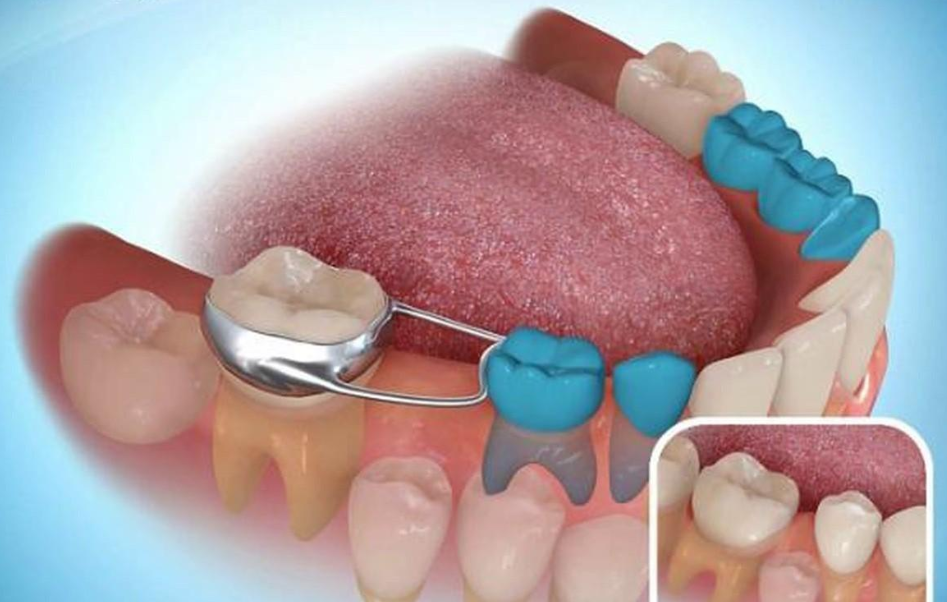
A space maintainer is a dental appliance designed to preserve the gap left by a prematurely lost baby tooth. It holds neighbouring teeth in their existing positions while the permanent tooth develops and prepares to erupt.
These appliances may be fixed or removable, depending on the child’s dental needs.
- Fixed space maintainers: Attached to selected teeth, these appliances remain in place until a dentist determines that removal is appropriate.
- Removable space maintainers: Similar to small dental plates, these can be taken out for cleaning and other recommended activities.
The type selected depends on the location of the missing tooth, the child’s age, oral hygiene, and ability to follow care instructions.
How Do Space Maintainers Prevent Orthodontic Problems?
1. Preserve Room for Permanent Teeth
The main purpose of a space maintainer is to prevent neighbouring teeth from shifting into an empty area. Keeping that space available may allow the permanent tooth to erupt in a more suitable position.
2. Reduce the Risk of Crowding
When available space decreases, permanent teeth may struggle to fit properly within the dental arch. Preserving the gap may reduce one contributing factor to crowding and alignment problems.
3. Support Normal Dental Development
Maintaining the natural spacing between teeth may help preserve the arrangement of the developing bite. This can be particularly important when a child loses a primary molar before its permanent replacement is ready to erupt.
4. Potentially Reduce Future Treatment Needs
Preventing unnecessary space loss may reduce the need for certain orthodontic interventions later. However, space maintainers cannot guarantee that a child will avoid braces or other orthodontic treatment.
How Should Children Care for Space Maintainers?
Good oral hygiene is essential while wearing a space maintainer. Children should brush carefully around the appliance and clean between their teeth as instructed. Sticky sweets and hard foods may damage or loosen certain appliances.
Regular dental appointments allow the dentist to check the appliance, monitor tooth development, and determine when it should be removed. Parents should arrange an assessment if the appliance becomes loose, breaks, or causes persistent discomfort.
Support Your Child’s Dental Development at Ridgetown Family Dental!
Has your child lost a baby tooth earlier than expected? Ridgetown Family Dental, part of Huron Dental Group, can help assess the space, monitor developing teeth, and discuss whether a space maintainer may be appropriate. If you are looking for a dentist in Ridgetown, visit Ridgetown Family Dental to arrange an appointment.